


How Many Things Does a Person Actually Use Every Day?
Looking around your home, it may seem like we have quite a lot of belongings. Wardrobes are full of clothes, kitchen cupboards are packed with dishes and utensils, sports equipment takes up space on the balcony, and the storage room may contain things we have long forgotten.
But how many of these things do we actually use every day? Most likely, far fewer than it seems. Let’s take a look at how to identify what we need most and when it may be worth considering additional storage.
What Belongs on the List of Everyday Items?
There is no single number that can tell us how many things a person uses in a day – it depends on their lifestyle, work, hobbies, family situation, and other circumstances. Still, the list of things most people use during an ordinary day is not necessarily very long.
In the morning, we use a toothbrush and personal care or hygiene products, get dressed, drink from a mug and prepare breakfast. During the day, the list grows to include a phone, computer, work or study supplies. In the evening, we return to the items we use in the kitchen, bathroom and bedroom.
These are the things we like to have within easy reach. But alongside them, our homes contain an entirely different category of belongings – things we use rarely, seasonally or only on specific occasions.
Why Do We Have So Many More Things at Home Than We Use?
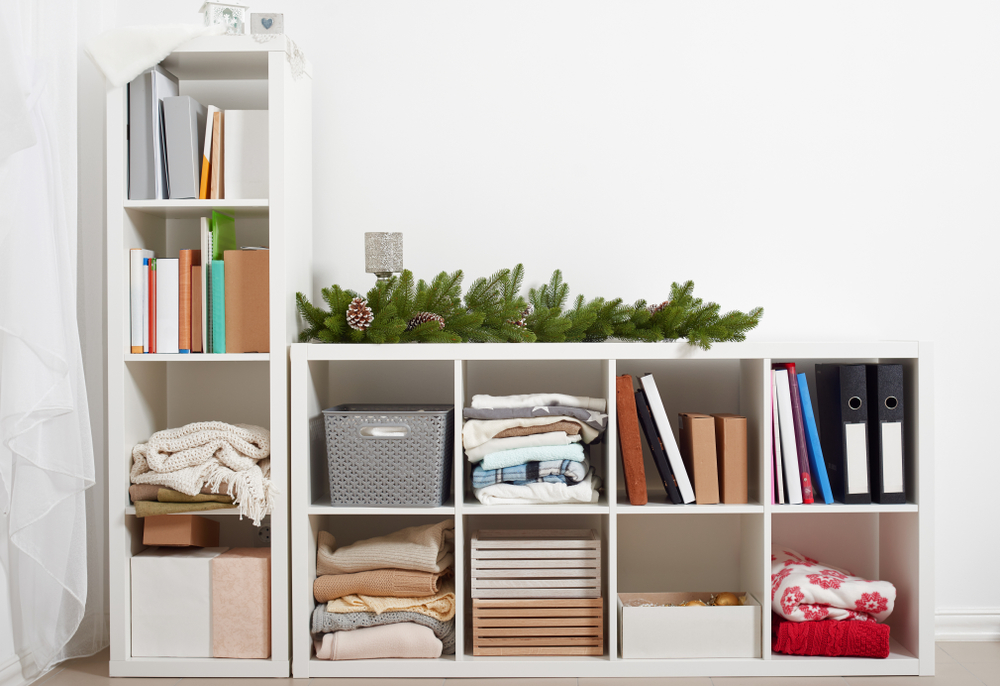
Accumulating belongings does not necessarily mean that people buy things without thinking – some items simply do not serve a purpose every day. For example, winter sports equipment is not needed during the summer, but that does not mean we want to get rid of it. Similarly, suitcases, tents, special-occasion dishes, spare furniture, or certain household appliances may be used only occasionally.
Another reason is sentimental value. Old photographs, childhood belongings, family heirlooms or works of art may be used extremely rarely but can still be important to us. Therefore, asking “Do I use this item every day?” is not always a sufficient reason to get rid of it.
The problem arises when all these belongings remain in our living spaces. Items that are rarely used start competing for the same space that is needed for everyday things.
How Can You Tell When You Have Too Many Things at Home?
Sometimes all it takes is a simple audit of belongings. Open a wardrobe, storage room or another place where things tend to accumulate and try sorting them into several groups.
The first group could include things you use every day or at least several times a week – these items should be easy to access. The second group could consist of seasonal and occasionally used belongings. The third could include things you only need a few times a year. The fourth group could contain sentimental or other items you want to keep, even though you rarely use them in practice. This way, you can see which things you want to keep and which ones you might consider selling or giving away.
This kind of sorting helps show that not everything used rarely needs to be thrown away. Sometimes, you simply need to change where you keep it.
When Is It Worth Considering a Storage Unit?
If you are running out of space at home but do not want to get rid of belongings you rarely use, a storage unit may be a solution. It provides additional space for furniture, sports equipment, household appliances, clothes, documents, works of art or other belongings you want to keep.
For example, during a renovation, furniture and other belongings can temporarily be moved into a storage unit so they do not get in the way of the work. When moving house, a storage unit can serve as an intermediate space for belongings that do not yet have a place in your new home. If you are studying in another city, you also do not necessarily have to take all your belongings with you – some of them can be safely kept in a storage unit.
This solution can also be useful without any major life changes. If your balcony has become a storage area for seasonal belongings and your wardrobes are difficult to close because they are packed with rarely used items, moving some of them into a storage space can help free up room at home.
How Do You Choose the Right Storage Unit Size?
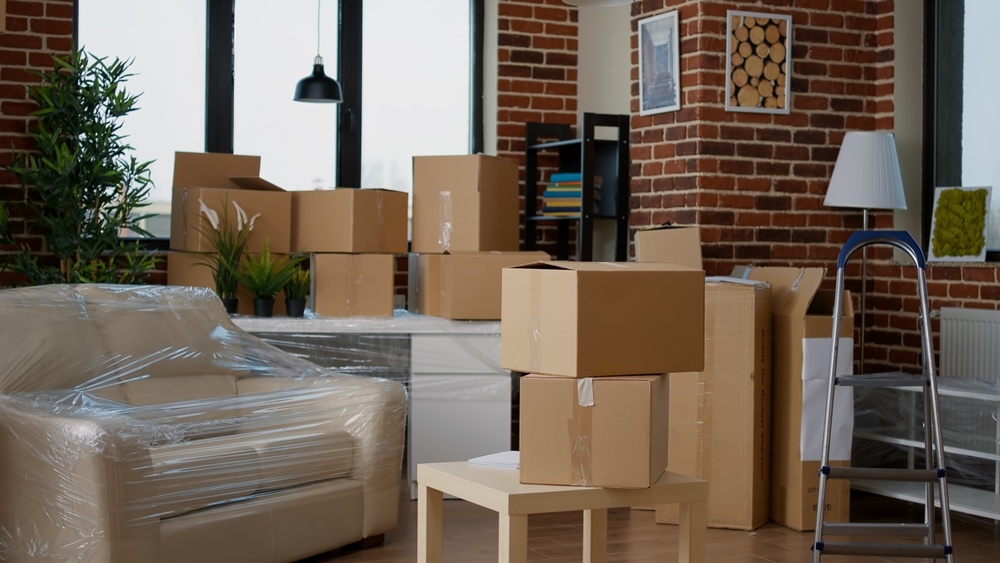
One practical question is how much space you actually need. A storage unit that is too small can be inconvenient, while choosing one that is too large may leave you paying for unused space. Therefore, before making a choice, it is worth assessing which belongings you plan to store and how much space they will take up.
The online storage size calculator offered by SPACE24 can help you make a preliminary estimate of the storage space you need. By considering your furniture, boxes, sports equipment, and other belongings, it becomes easier to determine which storage unit size would suit your particular situation.
Fewer Things in Sight – More Space for Everyday Life
There is probably no need to expect every item in your home to be used every day – our lives will always include seasonal, occasional, sentimental or simply rarely needed belongings. What matters more than the number of things is whether they interfere with your ability to use your living space comfortably.
SPACE24 storage in Vilnius can help you safely store belongings that you use less frequently, or that take up a lot of space. If you want to free up space at home, temporarily move furniture, or simply find a suitable place for your belongings, contact SPACE24 to learn more about available storage options.