How to Properly Pack Items for Long-Term Storage
When you plan to store your belongings for more than just a few days or weeks, simply putting everything into boxes is not always enough. Proper packing helps keep things organised, protect your belongings from potential damage and make it easier to find what you need later. Whether you are storing your belongings while moving house, renovating your home, going to study in another city or simply looking to free up space at home, it is worth preparing in advance.
Where to Start Before Packing Your Belongings?
The first step is not buying boxes but sorting through your belongings. Before you start packing, take a look at what you actually want to keep in storage. Separate the things you plan to use in the near future, seasonal items and those you will not need for a long time.
It is also worth getting rid of anything that is broken, no longer used or no longer needed. There is little point in taking items to a storage unit simply because they have been sitting in a storage room for years.
It is useful to organise your belongings by category – for example, clothes, books, kitchenware, sports equipment, documents or small household items. This will also make things easier to find later.
How to Choose the Right Boxes and Packing Materials?
For long-term storage, it is worth choosing sturdy, undamaged boxes. They should not be too large or overfilled, as excessively heavy boxes can be difficult to move and their contents may be damaged.
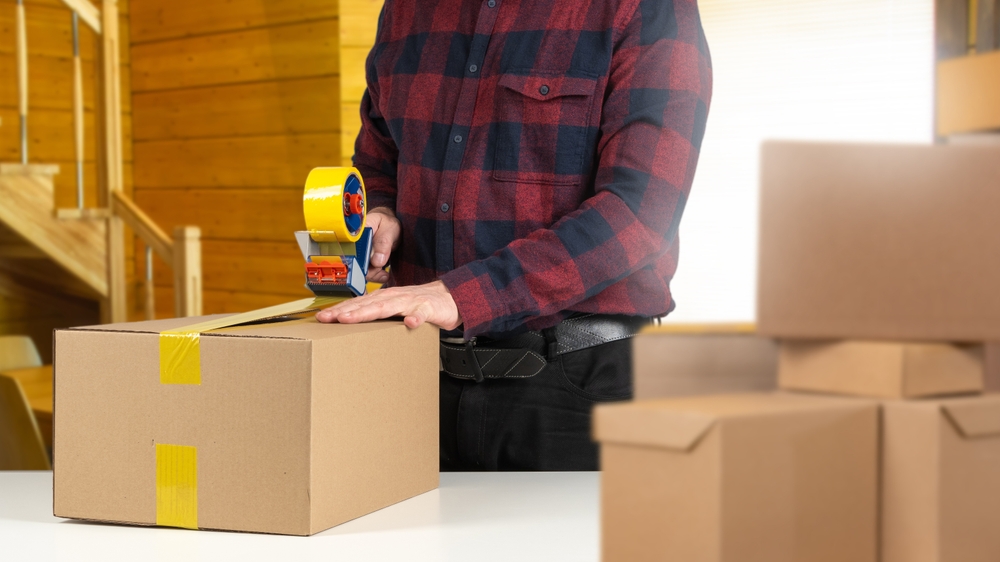
For fragile items, it is useful to have bubble wrap, packing paper, or other protective materials. You will also need strong packing tape to seal the boxes and labels to mark their contents.
Heavier items, such as books, are best packed in smaller boxes. Lighter items such as clothes or textiles can be placed in larger boxes, but these should not be overfilled either.
How to Pack Different Types of Items?
Different categories of belongings require slightly different preparation.
- Clothes and textiles. Clothes should be washed and completely dried before packing. They can be stored in boxes or special bags, depending on how long they are expected to be stored;
- Books and documents. Books are best placed in sturdy but not overly large boxes so they are easy to lift. Documents can be organised in folders or boxes to help keep everything in order;
- Dishes and fragile items. Each fragile item should be wrapped separately in protective material. Empty spaces inside the box can be filled with paper or another soft material to prevent items from moving around during transport;
- Household appliances. If possible, it is worth keeping the original packaging. Appliances should be cleaned and completely dried before being placed in long-term storage;
- Furniture. Larger pieces of furniture can be disassembled if their construction allows it. Screws, fittings and other small parts should be placed in a separate, clearly labelled bag.
Don’t Forget to Label Your Boxes
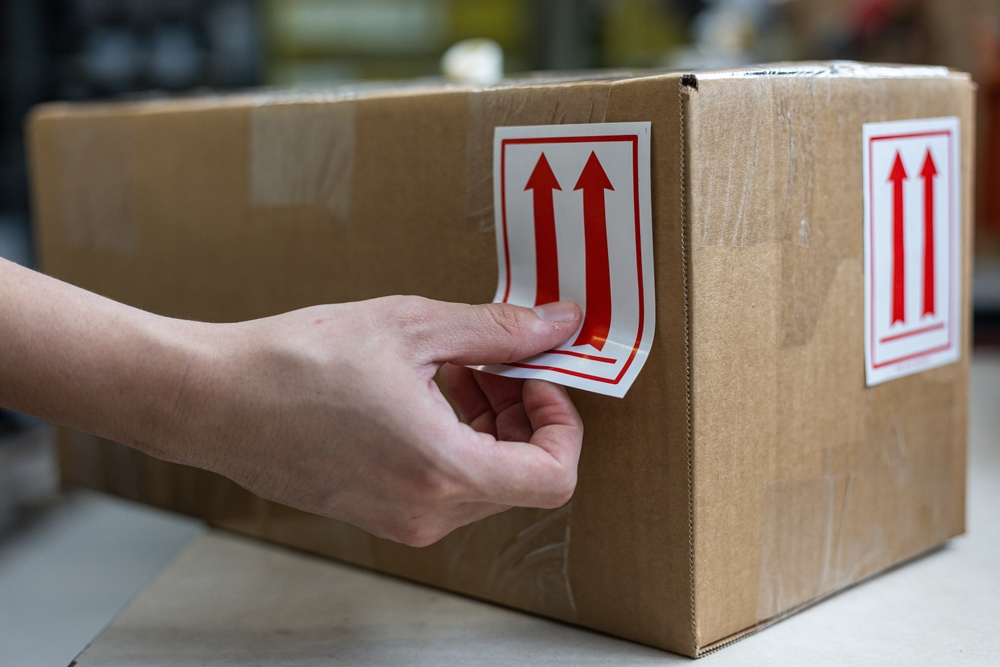
Even carefully packed belongings can become difficult to find if, after a few months, you no longer remember what is where. Therefore, it is useful to write the contents on each box and, where necessary, indicate if it contains fragile items.
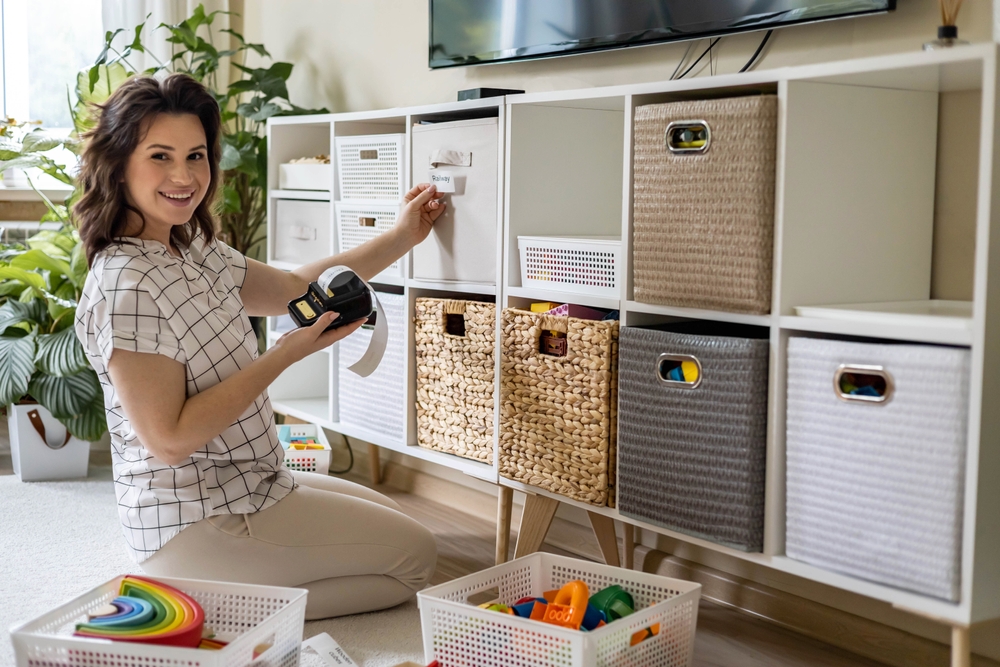
It can be even more convenient to create a complete inventory on your phone or computer. For example, you could note that box 1 contains winter clothes, box 2 contains books, and box 3 contains kitchenware. This way, finding a specific item will not take long.
How to Make the Most of Your Storage Space?
Packed belongings should also be arranged thoughtfully inside the storage unit. Heavier items should be placed at the bottom and lighter ones on top. It is also worth avoiding unstable stacks of boxes, especially if the boxes are different sizes or made from different materials. Larger and sturdier items can be placed along the walls of the storage unit, while smaller boxes can be arranged more compactly in the remaining space.
Accessibility is also important. If you know that you may need certain belongings sooner, avoid placing other boxes or furniture in front of them. For example, seasonal clothes, sports equipment, or documents you may need in the coming months are best kept somewhere easy to reach. Items that you do not plan to use for a long time can be placed further towards the back.
Another important consideration is how to make use of vertical space. Boxes can be stacked on top of one another, but it is important to ensure that the bottom boxes can support the weight and that the entire stack is stable. The empty space inside furniture can sometimes also be used for smaller, lightweight items, but it should not be filled to the point where the furniture could be damaged or become difficult to move.
Before moving your belongings into storage, it is also useful to estimate how much space they will take up. If you choose a storage unit that is too small, it may be difficult to arrange and access your belongings comfortably. On the other hand, if you choose a significantly larger unit, part of the space may remain unused. Therefore, it is worth making at least a rough plan in advance: how many boxes you have, what your largest pieces of furniture are, and whether you will be storing sports equipment, household appliances or other bulky items.
The storage size calculator offered by SPACE24 can help you make a preliminary estimate of the storage unit size you need. By assessing the amount of furniture, boxes, sports equipment, and other belongings you plan to store, you can get a clearer idea of how much space you need. This allows you to plan your storage not only on guesswork but also by thinking ahead about how your belongings will be arranged.
Proper Packing Makes Long-Term Storage More Convenient
When storing belongings long-term, it is important not only to choose the right place but also to prepare everything properly. Sorted, protected, labelled, and efficiently arranged belongings take up less space and are easier to access when needed.
SPACE24 storage in Vilnius can be a practical solution when you are running out of space at home but do not want to part with your belongings. If you are planning long-term storage or would like advice on choosing the right storage unit size, contact SPACE24 to learn more about the available storage options.