


Whether you’re managing personal paperwork or business records, knowing how to archive documents correctly is essential. A well-organised archive helps protect important information, saves valuable office space, and ensures documents remain accessible when needed. Proper archiving also supports compliance with legal and regulatory requirements, reducing the risk of lost records or costly penalties. By following proven archiving documents best practices, you can create a system that makes document retrieval faster, improves data security, and simplifies long-term storage. Taking the time to organise and archive documents properly today can save significant time, money, and effort in the future.
What Is File Organisation?
Before creating an archive, it is important to understand what is file organisation and how it differs from document archiving. File organisation refers to the process of arranging active documents into a logical structure that makes them easy to find, update, and manage. Archiving, on the other hand, involves moving documents that are no longer used regularly into long-term storage while keeping them accessible if required.
A good file organisation system makes archiving far more efficient. When documents are already categorised by department, project, client, or date, it becomes much easier to identify which records should be archived and when. Establishing a clear document structure also reduces duplication, prevents misplaced files, and helps maintain consistency across an organisation.
Why Proper Document Archiving Matters
Proper document archiving offers benefits that extend far beyond simply freeing up storage space. For businesses, it plays an important role in meeting legal and regulatory obligations, particularly when certain records must be retained for specific periods under Lithuanian legislation. Following recognised document archiving standards helps ensure documents remain secure, accessible, and compliant throughout their retention period.
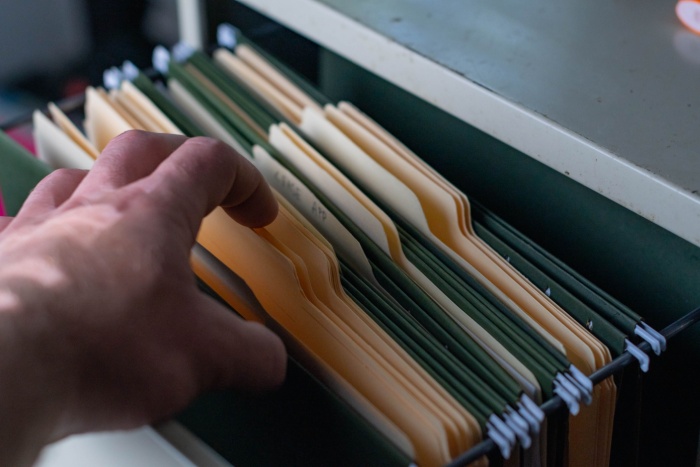
Effective archiving also strengthens data protection by reducing the risk of unauthorised access, accidental loss, or document damage. Employees can locate records more quickly, improving productivity and reducing time spent searching for information. In addition, archiving inactive documents can lower office storage costs by reducing the amount of physical space required for everyday operations. Well-maintained archives also simplify audits, inspections, and internal reviews, allowing organisations to retrieve required records quickly and demonstrate compliance when necessary.
How to Archive Documents: Step-by-Step
Understanding how to archive documents starts with creating a clear and consistent process. Following a few simple steps will help ensure your archive remains organised, secure, and easy to maintain over time.
Assess which documents should be archived
Begin by identifying records that are no longer needed for daily operations but must be retained for legal, financial, or historical purposes. Review your company’s document retention policy and determine which files are ready for long-term storage.
Remove duplicates
Before archiving, remove duplicate copies, outdated drafts, and unnecessary paperwork. This reduces storage requirements and makes it easier to locate important records in the future.
Sort by category
Organise documents into logical categories, such as contracts, financial records, employee files, customer documentation, or administrative paperwork. You can also arrange files by year or project to simplify retrieval.
Label everything
Every folder, box, or digital file should be clearly labelled with descriptive names, dates, or reference numbers. Consistent labelling makes searching for archived documents much quicker.
Set retention periods
Finally, define how long each type of document should be stored based on legal requirements and company policies. One of the most important archiving files best practices is regularly reviewing archived records and securely disposing of documents once their retention period has expired.
Best Way to Archive Paper Documents
The best way to archive paper documents is to protect them from the factors that most commonly cause deterioration, including moisture, sunlight, heat, and poor-quality storage materials. Choosing the right supplies and storage environment helps preserve important records for many years.
If you’re wondering how to archive paper documents, start by placing them in acid-free folders or archival-quality sleeves that prevent paper from yellowing or becoming brittle over time. Store these folders inside sturdy archival storage boxes rather than ordinary cardboard boxes, which may contain acids that can damage documents.
How to Archive Documents in Boxes
Knowing how to archive documents in boxes properly helps protect important records while making them easy to locate when needed. Start by choosing sturdy archival-quality boxes of the same size. Uniform boxes are easier to stack safely and create a more organised storage system.
Clearly label every box with its contents, date range, department, or category. Adding a unique box number and maintaining a master inventory list allows you to quickly identify where specific documents are stored without opening multiple boxes. This simple step can save a considerable amount of time, especially when managing large archives.
Methods of Archiving Documents
There are several methods of archiving documents, and the right choice depends on your business needs, available space, and how often records need to be accessed.
A physical archive remains the preferred option for original legal documents, signed contracts, certificates, and other records that must be preserved in their original format. Physical archives require secure storage conditions but offer long-term reliability.
A digital archive stores scanned or electronic files on local servers or storage devices. Digital archiving reduces physical storage requirements and allows documents to be searched and retrieved quickly, making it ideal for records that employees access regularly.
Many organisations choose a hybrid archive, combining physical and digital storage. Original paper documents are securely stored while digital copies are used for everyday work. This approach balances accessibility with long-term preservation.
A cloud archive provides secure off-site digital storage and allows authorised users to access documents from different locations. With appropriate security measures and regular backups, cloud storage can improve collaboration while reducing the need for extensive on-site infrastructure. For many organisations, combining several methods offers the greatest flexibility and security.
Archiving Files Best Practices
Following proven archiving files best practices helps ensure your archive remains organised, secure, and easy to maintain as your collection grows. Small improvements to your archiving process can save significant time and reduce the risk of misplaced or outdated records.
Some of the most effective archiving documents best practices include:
- Use consistent file and folder naming conventions across the entire organisation.
- Implement version control so employees always work with the latest approved document.
- Schedule regular archive reviews to remove files that have reached the end of their retention period.
- Create routine backups for all digital archives to minimise the risk of data loss.
- Restrict access to confidential documents so only authorised personnel can view or edit sensitive information.
- Review document retention schedules regularly to ensure compliance with changing legal or business requirements.
Maintaining these practices creates an archive that remains reliable, efficient, and compliant for years to come.
Secure Document Storage with SPACE24
As businesses grow, document archives often grow with them. Office space can quickly become overcrowded with boxes of records that must be retained but are rarely accessed. Instead of sacrificing valuable workspace, consider moving long-term archives to a secure external storage facility.
SPACE24 offers safe and flexible document storage solutions for both businesses and private individuals. Whether you need to store archived company files, financial records, contracts, or personal documents, our secure storage units provide a clean, protected environment designed for long-term storage. With convenient access, modern security systems, and flexible rental options, you can keep important paperwork safe while freeing up valuable space at home or in the office. If your archive continues to expand, SPACE24 provides a practical solution that keeps your documents organised, protected, and easily accessible whenever you need them.